Understanding the Importance of Cable Length in Sensor Performance
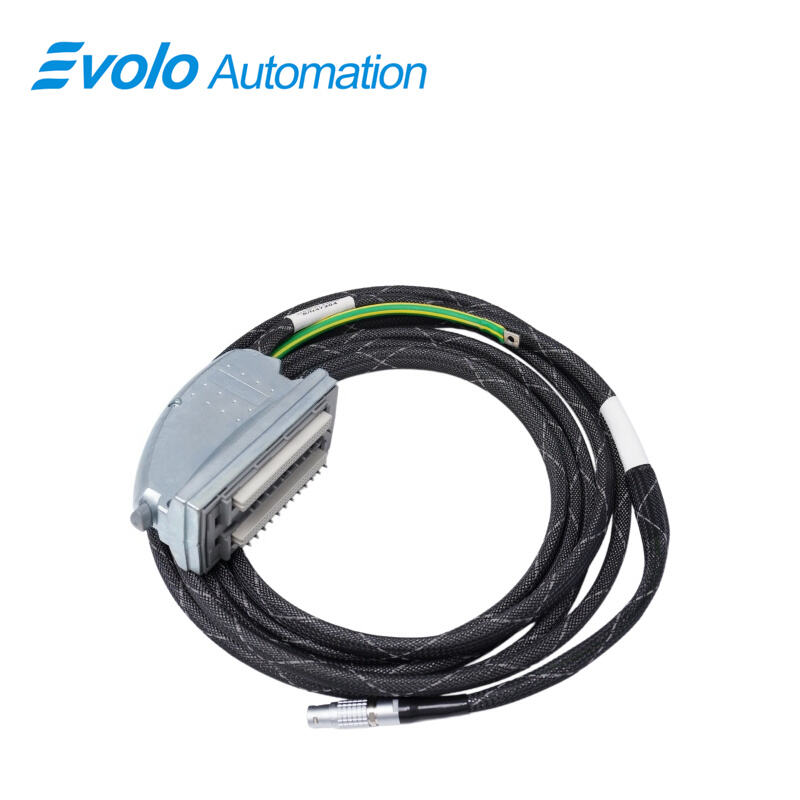
Cable length matters a lot when it comes to sensor performance. Imagine you have a temperature sensor in a factory. If the cable connecting it to the reading device is too long, the sensor might pick up interference from machines nearby. This interference can cause the readings to be incorrect. For instance, if the machine vibrates or produces electromagnetic waves, it can confuse the sensor. This is why keeping the cable shorter can help. A shorter cable might be more stable and less prone to interference.
On the other hand, if the cable is too short, you might not be able to place the sensor where you need it. For example, if you're measuring temperature in a high place or a difficult spot, you need a longer cable. But, you should be careful not to make it too long. It’s like trying to find a balance on a seesaw.
Evolo understands this balance and helps you choose the right cable for your sensors. They offer cables in different lengths to fit your needs. This way, you can have accurate readings without worrying too much about interference or reaching the right spots. It's all about making sure the sensor works perfectly to give you the best data possible.
How to Choose the Optimal Cable Length for Enhanced Sensor Stability
Choosing the right cable length can seem tricky, but it doesn’t have to 3300 XL 8mm Proximity Transducer System be. First, think about how far the sensor needs to be from the reading device. Measure the distance carefully. It’s better to measure twice than to guess. Once you have the distance, add a little extra length. This extra length allows for any mistakes or adjustments later on.
Next, consider the environment where the sensor and cable will be. If it’s a noisy area with machines, a shorter cable is usually better. But if you need to reach a specific spot, you might need a longer one. Evolo provides cables that are designed to reduce interference. They can help keep your readings steady, even if you have to use a longer cable.
Another thing to think about is the type of sensor you’re using. Some sensors are more sensitive than others. If you’re using a very sensitive sensor, try to keep the cable as short as possible. Also, check if the cable is made for the sensor’s type. Evolo has cables that fit various sensors perfectly, ensuring they work well together.
Lastly, always test the setup after you install the sensor and cable. Look at the readings closely. If something seems off, you might need to adjust the cable length or its position. With the right cable length, you can make sure your sensors give you the best and most accurate readings possible.
Common Issues with Incorrect Cable Length for Sensors
When using sensors, choosing the right cable length is very important. If the cable is too short, it can cause problems. For example, if the sensor is placed far from the device it connects to, a short cable will not reach. This means you cannot get readings from the sensor. On the other hand, if the cable is too long, it can create other issues. Long cables can pick up unwanted signals from the environment. This can confuse the sensor and cause it to give incorrect readings.
Another problem with using the wrong cable length is that it can affect how stable the sensor is. If the cable is too long, the signal may weaken by the time it reaches the device. A weak signal can make the data unreliable. Imagine trying bently nevada cable to listen to music through a very long wire; sometimes the sound can cut in and out. It’s the same with sensors. A weak signal can lead to unstable readings that change a lot, making it hard to trust the information you get.
These problems can be frustrating, especially if you are working on an important project. At Evolo, we understand how crucial it is to get accurate sensor readings. That’s why we encourage people to carefully think about the cable length they need for their sensors. By choosing the right length, you can avoid these common problems and ensure that your sensors work correctly.
Where to Find High-Quality Cables for Accurate Sensor Readings
Finding high-quality cables for your sensors is important for getting accurate readings. The best place to start is by checking with trusted companies like Evolo. At Evolo, we offer a range of cables designed specifically for sensor use. We make sure our cables are made with materials that help keep the signal strong and clear. This means you can trust the readings your sensors provide.
You can also look for cables that have good reviews from other users. Many online stores and websites allow customers to leave comments about products. By reading these reviews, you can find out which cables work well and which ones do not. It’s like asking friends for advice before buying something. If a cable has many good reviews, it is likely a smart choice.
When searching for cables, make sure to look for those that meet the standards for your specific sensors. Some sensors need special types of cables to work properly. At Evolo, we provide detailed information about our cables, so bently nevada extension cables you can find the right one for your needs. Remember, using the right cable can make a big difference in how well your sensor performs.
What are the Best Practices for Selecting Cable Length in Sensors?
Selecting the correct cable length for sensors can be simple if you follow a few best practices. First, always measure the distance between your sensor and the device it connects to. This distance will help you decide how long your cable should be. It’s better to have a little extra length than to end up with a cable that is too short.
Next, consider the environment where you will be using the sensor. If the sensor is in a place with a lot of interference, like near machinery or computers, you might want a shorter cable. Shorter cables are less likely to pick up unwanted signals. On the other hand, if your sensor is in a safe, quiet place, a longer cable might be fine.
Also, think about the type of sensor you are using. Different sensors may have different needs. Some sensors work best with specific types of cables. At Evolo, we can help you understand what type of cable is best for your sensor.
Finally, always test your setup after installing the sensor and cable. Make sure the readings are stable and accurate. If you notice any issues, you may need to adjust the cable length or type. By following these best practices, you can ensure that your sensors provide reliable and precise readings.